As demand for organic food continues to grow in Thailand, more consumers want to understand what “organic” really means. They want to know how to identify products that meet recognised standards. Organic agriculture certification plays a key role in ensuring transparency, environmental protection, and consumer trust.
This guide explains the main organic certification standards in Thailand, the certification bodies involved, and how shoppers can make informed choices.
What Is Organic Agriculture Certification?
Organic agriculture certification verifies that food and agricultural products are produced using methods that:
- Avoid synthetic pesticides and chemical fertilisers
- Prohibit genetically modified organisms (GMOs)
- Promote soil health, biodiversity, and ecological balance
- Follow strict animal welfare and environmental practices
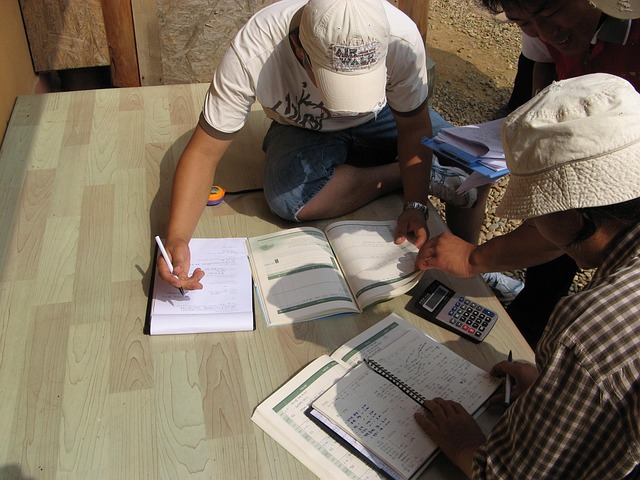
Independent organisations carry out certification by auditing farms, processing facilities, and supply chains to ensure compliance with established standards.1
Major Organic Agriculture Certification Standards Used in Thailand
Thailand recognises both local and international organic standards. Many farms choose certification based on their target market—domestic, export, or both.
Organic Thailand (National Standard)
Organic Thailand is the official national organic standard, administered by the Department of Agriculture (DOA) under the Ministry of Agriculture and Cooperatives.
Key features:
- Designed for domestic organic production
- Covers crops, livestock, and processed foods
- Recognised within Thailand but not always sufficient for export
Commonly found at local markets and supermarkets across the country, this certification is most common. You can use this website to validate if the farm you are buying from is indeed certified, this website is in Thai.
ACT Organic (Organic Agriculture Certification Thailand)
ACT Organic is one of Thailand’s most trusted independent organic certification bodies. It operates under international organic principles and is widely respected both locally and internationally. The standards they are licensed to assess for include: EU Organic, Canada Organic, IFOAM organic.
ACT Organic standards align closely with:
- International Federation of Organic Agriculture Movements (IFOAM)
- EU organic regulations
ACT-certified products are commonly sold in organic shops, farmers’ markets, and exported overseas.
Green Net Certified Organic
Similar to ACT Organic above, Green NET are also aligned with global IFOAM standards. Their products in particular rice are sold at Gourmet Market. They offer support for small-scale producer groups to convert to organic agriculture, coaching them to prepare for certification.
Key Certification Bodies in Thailand
Several organisations are responsible for organic certification and inspection:
- Department of Agriculture (DOA) – Government certification body for Local Standard.
- ACT Organic Certification Thailand – Independent certification body for International Standards.
- Green NET – Independent certification body for IFOAM Standard.
- TUV NORD
Each body follows its own audit procedures but adheres to locally or internationally recognised organic principles.
How to Identify Certified Organic Products
When shopping in Thailand, look for:
- Official certification logos on packaging
- Clear certifier names (ACT, Organic Thailand, USDA, EU Organic)
- Product traceability information
Be cautious of vague claims such as “natural” or “chemical-free,” which are not regulated and do not guarantee organic standards.
Why Organic Certification Matters
Organic certification:
- Protects consumers from misleading claims
- Encourages environmentally responsible farming
- Supports biodiversity and soil health
- Promotes safer working conditions for farmers
By choosing certified organic products, consumers support a more sustainable and transparent food system.
Final Thoughts
Thailand has a well-established organic certification landscape, supported by both national and international standards. Understanding these certifications empowers consumers to make informed choices that align with their health, environmental, and ethical values.
Whether shopping at farmers’ markets, organic stores, or supermarkets, looking for trusted certification labels is one of the simplest ways to support organic agriculture in Thailand.
You may also be interested in our articles including: Best Places to Buy Organic Food in Bangkok and Organic Pantry Products.
Disclaimer: The photos on this website are mostly from Pixabay and credited as in footnotes. We purposefully chose not to use AI to generate images for sustainability reasons. When possible, images will be replaced with author’s own photography and images.