Recycling in Bangkok can feel confusing at first, but despite the challenges, it is absolutely possible. Once you understand how the system actually works, recycling becomes far more manageable and effective.
Bangkok’s waste management ecosystem is a mix of government-led programs, community initiatives, social enterprises, and informal recycling networks. Together, these systems form the backbone of recycling in Thailand’s capital.
Government Led Waste Management in Bangkok
Recycling in Bangkok is coordinated by the Bangkok Metropolitan Administration (BMA). The city’s main goals are to reduce landfill waste, encourage household waste separation, and promote more sustainable waste management practices.
Waste Separation Categories
Residents are encouraged to separate waste into four main categories:
- Food waste – Collected by BMA for composting or use as animal feed
- Recyclable waste – Plastic bottles, glass, paper, cardboard, and metal cans
- General waste – Non-recyclable, non-hazardous waste
- Hazardous waste – Batteries, light bulbs, and other toxic items
The Bangkok Metropolitan Administration (BMA) promotes recycling through its “No Mixed Waste” campaign and a revised fee structure that incentivizes residents to separate their garbage. The primary tool for participation is the BKK Waste Pay mobile app and website.
BMA’s “Pay-As-You-Throw” Recycling Program
Bangkok now uses a Pay-As-You-Throw model, designed to encourage waste separation at the source.
How It Works
Residents who separate waste correctly can significantly reduce their monthly garbage collection fees. As of October 2025:
- Households producing up to 20 litres of waste per day
- 20 baht/month if registered and separating waste
- 60 baht/month if not registered or not separating
- Larger waste generators (shops, restaurants, offices)
- Charged higher, tiered fees based on unseparated waste volume
How to Register
Residents can register via:
- BKK Waste Pay app (iOS & Android)
- BKK Waste Pay website
- Local district offices
BMA Recycling Points and Informal Collection Options
Recyclables such as plastic bottles, glass, paper, cardboard, and metal cans can also be sold or donated to local saleng (waste buyers) or dropped off at BMA-designated recycling points across districts.
Collection Services: Garbage Trucks
The new BMA garbage trucks also have a separate compartment to house recyclables. Be sure to pack your recyclable items in a clear or yellow garbage bag when you put it out with your other waste.
Saleng & “Khuad Ma Khay”
If you’ve seen people pushing carts full of bottles and cardboard, you’ve seen Bangkok’s real recycling heroes in action. Known as saleng collectors or “khuad ma khay”, these informal waste pickers:
- Collect recyclables directly from households
- Sell materials to recycling depots and factories
- Play a crucial role in keeping recyclable materials out of landfills
Separating recyclables at home and giving them to saleng collectors directly supports this essential informal economy.
Recycling Markets (Twice Monthly)
The BMA hosts recycling markets twice a month where residents can:
- Bring separated recyclables
- Have items weighed
- Receive cash or exchange items
“Magic Hands on the Move” Drive-Thru
A drive-thru recycling service with a central location at Bangkok City Hall (Din Daeng), making recycling easier for households with transport.
District Offices & Public Locations
- All 50 district offices accept separated waste
- Public parks, including Benchasiri Park, operate zero-waste learning and drop-off points
- Selected districts (e.g. Phaya Thai, Pathum Wan, Nong Khaem) use separate collection trucks for food waste and recyclables
For specific locations, it is recommended to check the “Greener Bangkok“ website or contact your local district office.
Hazardous Waste Disposal
Hazardous waste must be placed in designated bins, usually located at district offices, or clearly marked for collection.
Social Enterprises and Incentive-Based Recycling Companies
Zero Baht Shop (0 Baht Shop)
Operated by the local community, spearheaded by community leader P Thorn, the Zero Baht Shop allows residents to:
- Bring recyclable materials
- Exchange them for household goods such as detergent, packaged food, and drinks
Read more about their wonderful work in this ESCAP Case Study.
📍 Location: On Nut area, Bangkok
Waste Buy Delivery
WasteBuy Delivery is recommended by the BMA as a pick up service for large amounts of recycling. They have an app for you to download and you can schedule a pick up from your doorstep.
- Pays you a nominal amount for your recycling.
Trash Lucky (ขยะมีค่า)
Trash Lucky is a reward-based recycling initiative that encourages proper waste separation through:
- Points systems
- Lottery-style rewards
- Community incentives
It is often found at community events, schools and condo buildings.
Won Project (WON – Waste of Nation)
The Won Project focuses on education and behaviour change around waste reduction and the circular economy.
- Runs workshops, school programmes, and corporate training
- Operates over 400 drop-off points across Thailand
- Helps people understand why waste separation matters, not just how to do it
Precious Plastic Thailand
Precious Plastic Bangkok is a community-driven initiative transforming plastic waste into useful products such as plant pots, bowls, and accessories.
- Focuses on HDPE and PP plastics
- Uses open-source recycling machines
- Hosts workshops, volunteer days, and school programmes
- Helps local communities generate income from recycled plastic
Electronic Waste and Battery Recycling
There are e-waste bins located at:
- BMA City Hall
- All 50 district offices
These bins accept lithium batteries from phones, laptops, and small electronics.
Additional drop-off options may include:
- Telecom shops (e.g. AIS, True)
- Shopping mall recycling points
- Community hazardous waste collection events
Always check locally for current options near you.
Large-Scale & Industrial Recycling
There are many places that are more than happy to purchase large waste e.g. aluminium rods, copper wires, steel construction materials, old tractors, construction equipment alongside the lucrative plastic bottles. Most of them have a pick-up service.
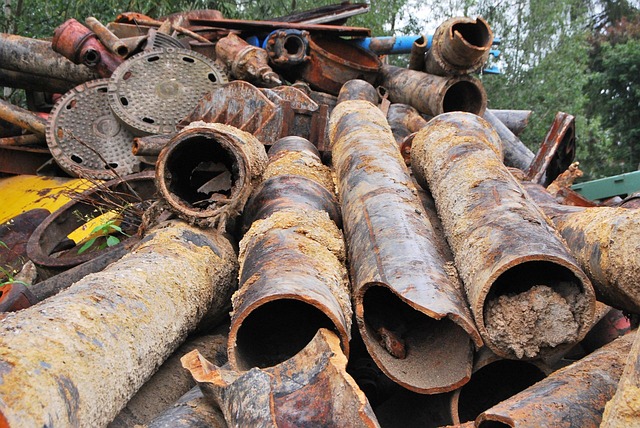
- Aluminium
- Copper wiring
- Steel
- Construction equipment
- Plastic bottles1
Wongpanit
One of Thailand’s largest recycling networks, Wongpanit publicly lists buying prices on its website and operates nationwide.
Final Thoughts: Progress Over Perfection
Recycling in Bangkok isn’t perfect—but it is possible.
By separating waste at home, supporting informal collectors, using BMA recycling points, and engaging with community initiatives like Trash Lucky, WON Project, and Precious Plastic, residents can dramatically reduce the amount of waste sent to landfill.
Sustainable living in Bangkok isn’t about doing everything right—it’s about doing what you can, consistently.
You may also find our article on Worm Farming interesting.
Disclaimer: The photos on this website are mostly from Pixabay and credited as in footnotes. We purposefully chose not to use AI to generate images for sustainability reasons. When possible, images will be replaced with author’s own photography and images.
- Image by PublicDomainPictures from Pixabay ↩︎